
James Harrington III had been to Doha eleven times in six years. He knew which hotel suites had the best views of the Pearl, which restaurants his counterparts preferred, which topics to avoid over dinner. What he didn’t know was that his family’s $340 million in regional holdings had just become a bargaining chip in a conflict that had nothing to do with energy prices — and that his name was already on a list.
What Happens When Family Office Returns Obscure Geopolitical Risk?
The Harrington Family Office managed $2.1 billion across three generations of wealth. Their Middle Eastern energy infrastructure allocation had delivered 23% annual returns for six consecutive years — the kind of performance that makes portfolio managers look like geniuses and makes principals stop asking hard questions.
The concentration hadn’t happened overnight. It grew through relationships: a college roommate who’d become a regional development director, a second-generation family friend who knew the right ministers, a series of warm introductions that felt more like club memberships than investment decisions. Each new allocation came with a handshake and a dinner, not a geopolitical threat assessment.
When James traveled to Doha in March 2025 to finalize a $180 million expansion into a joint venture with a state-adjacent development fund, his investment bank’s country risk rating showed “moderate” — a designation that hadn’t been updated to reflect a brewing diplomatic rift between the host country and a regional rival where the Harringtons also held $160 million in commercial real estate.
The bank’s analysts were looking at economic indicators. Nobody was looking at the diplomatic cables.
Why Did a Routine Business Trip Become a Security Failure?
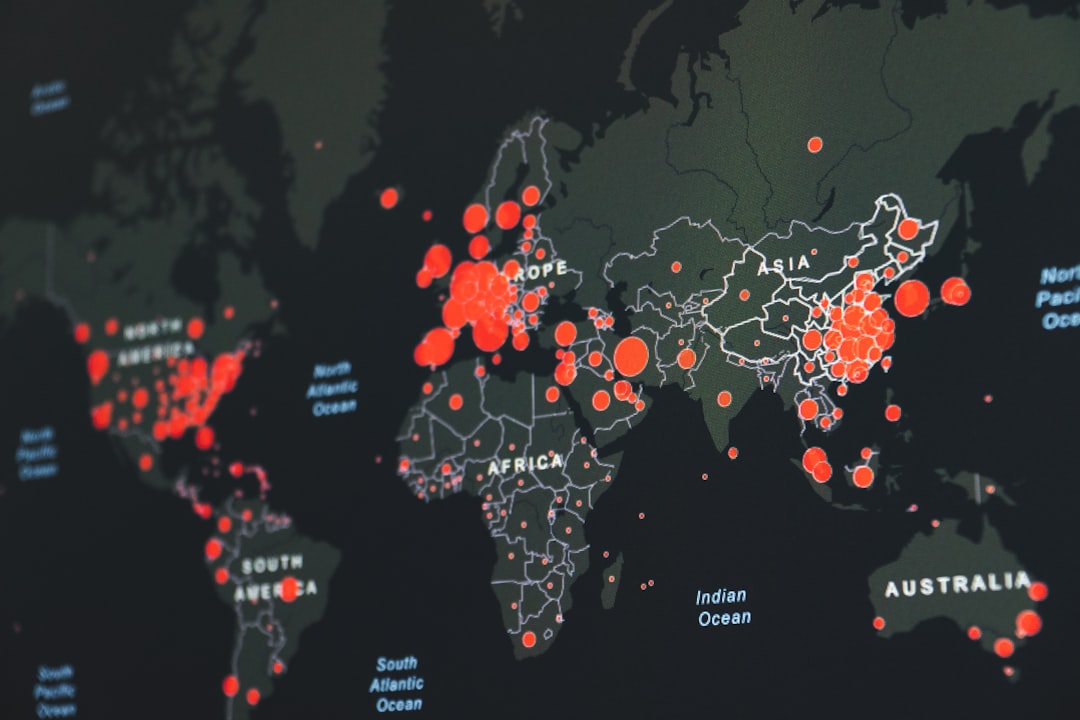 Photo by Martin Sanchez on Unsplash
The expansion deal came together fast — too fast. A “trusted” family friend had made the introduction to the joint venture partners. That trust translated into abbreviated due diligence. The counterparty’s principals were vetted through commercial databases. No enhanced due diligence. No beneficial ownership tracing. No sanctions screening beyond the obvious.
James’s itinerary, hotel selection, and meeting schedule were coordinated entirely through local fixers — business contacts, not security professionals. His communications ran through standard hotel WiFi and his personal iPhone. The meeting schedule, down to the specific conference room assignments, passed through email threads that touched servers in three countries.
Within 48 hours of his arrival, his complete itinerary existed in databases he would never see.
How Does a 72-Hour Cascade Turn Assets Into Leverage?
Day two. Regional tensions that had been simmering for months reached a public boiling point. The host country accused its rival of economic interference. Retaliatory measures followed within hours.
James learned about the travel restriction from his hotel concierge. His name had appeared on a temporary list tied to the joint venture’s now-frozen assets. Not an arrest — just an inability to leave. A soft detention dressed up as administrative procedure.
Back in Connecticut, his U.S.-based counsel discovered something worse: the family’s existing Middle East holdings had been quietly pledged as collateral in a structure they hadn’t fully understood. The documents were in Arabic. The family had relied on local counsel’s summary. The actual exposure was $340 million — not the $180 million they thought they were putting at risk.
Then came the media hit. A hostile state news outlet published James’s travel details, business relationships, and photographs from his previous visits. The framing: “American speculator profits from regional instability.” The information was too specific to come from public sources. Someone had fed them his communications or turned a local contact.
James Harrington III had become a pressure point — useful enough to hold, small enough to sacrifice if the diplomatic calculus shifted.
What Would Proper Geopolitical Intelligence Have Revealed?
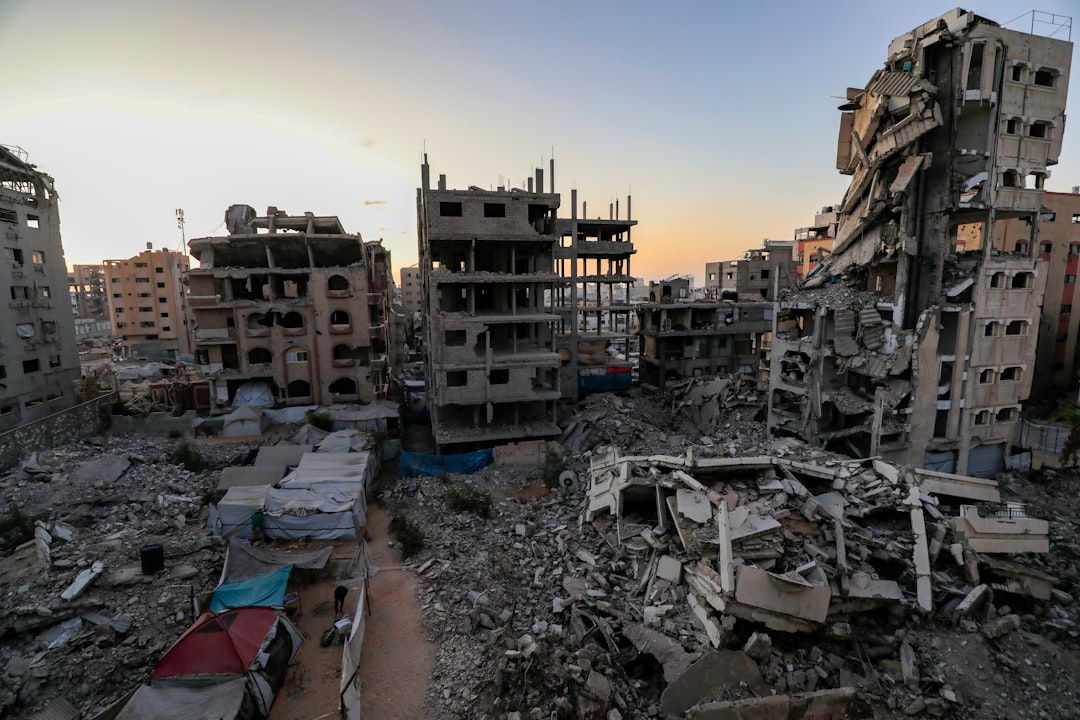 Photo by Mohammed Ibrahim on Unsplash
The warning signs were visible weeks before the trip. State Department travel advisories had escalated. Regional think tanks were publishing analyses of the diplomatic deterioration. Commercial satellite imagery showed unusual military positioning. None of this was classified. All of it was ignored.
A geopolitical threat assessment specific to the Harrington portfolio would have flagged the concentration risk immediately. Two significant positions in countries with active diplomatic tensions. A proposed expansion that would deepen exposure to exactly the wrong counterparty at exactly the wrong time.
Enhanced due diligence on the joint venture would have surfaced the silent partner’s connections to a sanctioned entity — a relationship buried three layers deep in the ownership structure, but discoverable through beneficial ownership tracing and adverse media screening. That finding alone would have killed the deal or forced a restructure that removed the problematic parties.
Pre-travel protocols would have included secure communications, a vetted local security team rather than business-referred fixers, and a meeting schedule designed to minimize exposure. Most critically, the family office would have established predefined exit criteria — specific geopolitical triggers that would have James on a plane home before his name appeared on any list.
The cost of that intelligence work: perhaps $40,000. The cost of not doing it: $340 million in frozen assets, a principal stuck in a foreign country, and a family name attached to a regional conflict in ways that would take years to untangle.
Key Takeaways
-
Country risk ratings from investment banks measure economic stability, not diplomatic vulnerability. Family offices need intelligence that tracks how their specific positions interact with evolving state-level conflicts.
-
Relationship-driven investing creates trust-based due diligence shortcuts. When a deal comes through a family friend, the instinct to abbreviate vetting is exactly when you need to extend it.
-
Travel security for principals with regional exposure requires more than a good hotel. Communication security, vetted local support, and predefined extraction criteria are baseline requirements.
-
Concentrated emerging market positions make family offices useful as pressure points. Big enough to matter, small enough to be expendable — that’s the definition of a target in state-level disputes.
-
Geopolitical monitoring must be continuous, not episodic. The signals that would have prevented this outcome were visible weeks in advance. The family office simply wasn’t looking.
What Principle Should Family Offices Take From This Scenario?
Geopolitical risk is not a line item in a country risk report. It’s a dynamic threat that touches your assets, your people, and your reputation simultaneously. Family offices with concentrated emerging market exposure need to treat geopolitical intelligence as an ongoing discipline, not a checkbox.
When you’re big enough to matter but small enough to be expendable, you’re exactly the kind of target that gets caught in the middle when states start pressuring each other.
James Harrington III eventually got home. It took eleven days, three intermediaries, and a restructuring of the family’s regional holdings that cost them 40% of their paper value. The joint venture never closed. The family friend who made the introduction stopped returning calls.
The portfolio that had looked so brilliant for six years had crossed a red line nobody told him existed.