A Risk Advisory for American Citizens At Home and Abroad
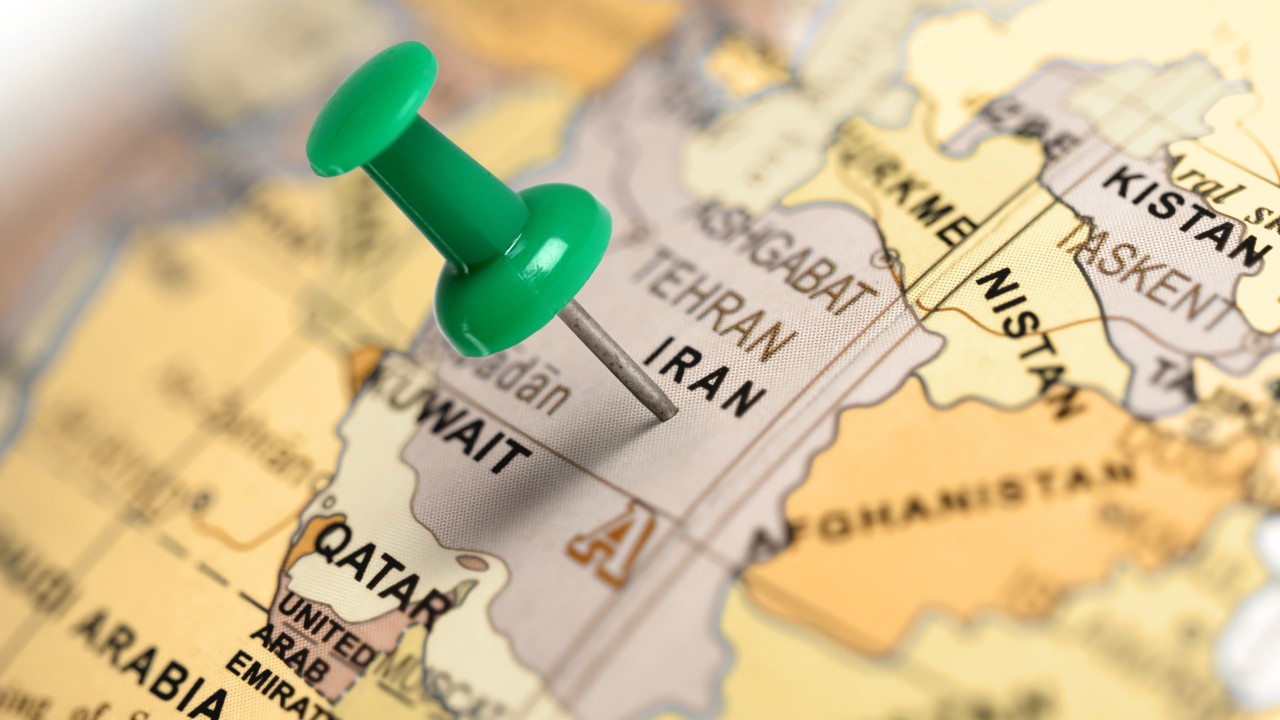
In the span of 48 hours, the security landscape for American citizens has fundamentally shifted. On Saturday, February 28, the United States and Israel launched Operation Epic Fury, a joint military campaign targeting Iran’s leadership, nuclear infrastructure, and military capabilities. Iran’s Supreme Leader Ayatollah Ali Khamenei was killed. At least three U.S. service members are dead. Iran has retaliated with missile strikes across the Gulf, hitting targets in Bahrain, Kuwait, Qatar, the UAE, and Israel.
And on February 28 in Austin, Texas, a gunman opened fire on a crowded bar on Sixth Street, killing two and wounding fourteen. The FBI is investigating the attack as a potential act of terrorism, citing indicators on the suspect and in his vehicle suggesting a nexus to the conflict abroad. The shooting happened less than 24 hours after the strikes on Iran began.
What Is Happening Right Now?
In the Middle East, the situation is active and volatile. Iran has fired missiles at U.S. military installations and other targets across multiple Gulf states. Airspace closures are in effect across the region. The Strait of Hormuz — through which roughly 20% of the world’s oil transits — has seen disrupted traffic. The Houthis in Yemen have resumed threats against shipping in the Red Sea. Oil markets are bracing for significant disruption.
Around the world, anti-American protests have erupted with alarming speed and, in some cases, violence. In Karachi, Pakistan, at least ten people were killed when protesters attempted to storm the U.S. consulate. Protesters tried to breach the U.S. embassy compound in Baghdad. Demonstrations have spread from London to Srinagar, from Istanbul to Islamabad. In many locations, U.S. diplomatic installations are primary targets.
On U.S. soil, the Austin shooting underscores that the threat environment extends far beyond the Middle East. Whether this incident is ultimately classified as terrorism or not, the timing and symbolism are undeniable.
The U.S. State Department has issued a Worldwide Caution advising Americans — particularly those in the Middle East — to follow guidance from the nearest U.S. embassy or consulate. Non-emergency personnel and their families have been authorized to depart Israel, Qatar, and other posts in the region.
What Should You Do If You Are Abroad Right Now?
Enroll in STEP Immediately
The Smart Traveler Enrollment Program (STEP) is the single most important thing you can do. It ensures the nearest U.S. embassy can contact you in an emergency, send security alerts, and include you in evacuation planning. If you haven’t done this, stop reading and do it now.
Know Your Nearest U.S. Embassy or Consulate
Have the address, phone number, and after-hours emergency line saved in your phone — not just bookmarked, saved as a contact. Embassies are issuing real-time security alerts and specific guidance by country.
Rethink Your Routing
If you are currently traveling and planning to return to the U.S. through the Gulf — Dubai, Doha, Abu Dhabi, Bahrain, Kuwait — reroute. Airspace closures are rolling and unpredictable. Flights are being canceled with little notice.
- If you’re east of the conflict zone (India, Southeast Asia, East Asia), route home through Japan, South Korea, or directly across the Pacific
- If you’re in Europe, direct transatlantic flights remain the safest option
- Avoid connections through Turkey, Jordan, or any Gulf hub until the situation stabilizes
Keep a Low Profile
This isn’t abstract advice. It means:
- Remove American-branded clothing and accessories
- Don’t speak loudly in English in crowded public spaces
- Avoid U.S. embassy perimeters unless you need consular services — these are protest magnets right now
- Stay clear of demonstrations, political gatherings, and large public events
- Monitor local news and social media for protest movements and avoid those areas entirely
Assess Your Location Honestly
The military conflict is concentrated west of Iran. But the protest and retaliatory threat environment is global. Countries with significant Shia populations, strong Iran ties, or histories of anti-American sentiment present elevated risk regardless of distance from the fighting. Pakistan, Iraq, Lebanon, and parts of India (particularly Kashmir) have already seen significant unrest.
What Should You Do If You Are in the United States?
The Austin shooting is a stark reminder that global conflict creates domestic risk.
- Be aware of your surroundings in high-traffic areas. Entertainment districts, tourist destinations, large public gatherings, government buildings, houses of worship, transit hubs, and symbolic landmarks all represent potential targets — not because an attack is imminent at any specific location, but because these are the types of environments that attract attention during periods of heightened global tension.
- Have an exit plan. When you enter a public venue — a bar, a concert, a stadium, a mall — take ten seconds to identify exits. This is not paranoia. It’s the same basic situational awareness practiced by security professionals, military personnel, and law enforcement every day.
- Don’t assume this is limited to one incident. The FBI’s Joint Terrorism Task Force is actively investigating the Austin shooting. The broader intelligence community is monitoring for additional threats.
- Stay informed without becoming overwhelmed. Follow official sources: the FBI, your local law enforcement, and the Department of Homeland Security. Social media is useful for breaking awareness but unreliable for verified intelligence.
What Should Organizations Be Doing?
If you’re a business leader, HR executive, or security director, the next 72 hours are critical.
- Account for your people. If you have employees traveling internationally — especially in the Middle East, South Asia, or regions with active protests — establish contact immediately. Confirm their location, confirm they’re enrolled in STEP, and establish a check-in protocol.
- Review your travel policies. All non-essential travel to the Middle East and Gulf states should be paused. For essential travel, conduct individualized risk assessments.
- Brief your domestic workforce. Employees in high-profile offices, public-facing roles, or locations near government buildings should be made aware of the elevated threat environment — calmly, factually, and without creating unnecessary alarm.
- Activate your crisis communications plan. If you don’t have one, build one today.
How Big Is This?
We are in the opening hours of what could become the most significant U.S. military engagement since the 2003 invasion of Iraq. The stated objectives — eliminating Iran’s nuclear program, dismantling its missile capabilities, and facilitating regime change — are ambitious and carry enormous uncertainty.
The risk to American citizens is real, multi-layered, and evolving by the hour. It encompasses direct military escalation, retaliatory terrorism, protest-related violence, lone-actor attacks inspired by the conflict, economic disruption from energy market volatility, and the unpredictable cascading effects of a power vacuum in Tehran.
This is not a time for panic. It is a time for preparation, awareness, and deliberate action.
This advisory reflects conditions as of March 2, 2026 at 1:00 PM CT and will be updated as the situation develops.
Key Takeaways
- Operation Epic Fury has fundamentally shifted the global security landscape — Iran has retaliated with missile strikes across the Gulf and protests have erupted worldwide
- American citizens abroad should enroll in STEP immediately and reroute travel away from Gulf hubs
- The domestic threat environment is elevated — the Austin shooting occurred within 24 hours of the strikes
- Organizations must account for traveling employees now and pause non-essential Middle East travel
- Situational awareness in public spaces is warranted for all Americans, both domestically and abroad