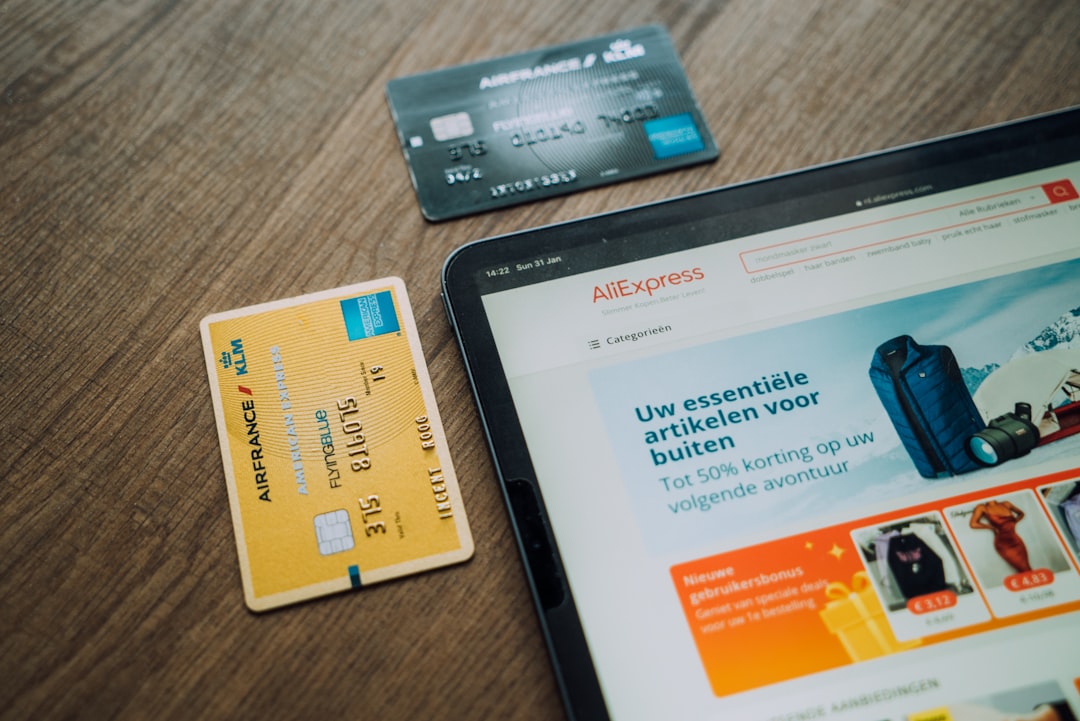
Infosecurity Magazine reports a spike in phishing emails and social scams targeting users with fake promotions and holiday-themed offers, designed to lure recipients into clicking malicious links or providing sensitive data. Threat actors are exploiting human trust and seasonal urgency to increase engagement with deceptive messages. The surge includes sophisticated social engineering tactics — increasingly AI-generated — that make scams look legitimate and hard to identify.
What This Means
Cyber-criminals use social engineering in phishing and scam messages to trick people into revealing passwords, financial details, or downloading malware — especially during high-traffic periods when people are busier and more likely to act impulsively. These scams can lead to identity theft, financial loss, or unauthorized access to accounts. AI-generated phishing content is removing the grammatical errors and inconsistencies that trained users have historically used to identify malicious messages.
What To Do Next
- Be cautious with unsolicited messages: Do not click links or open attachments in unexpected emails, texts, or social media messages, even if they appear to come from familiar brands or contacts.
- Verify before you act: If a deal, delivery notice, or account alert seems real, go directly to the trusted site or contact the organization through known channels — never use links from the message itself.
- Enable security features: Turn on multi-factor authentication for all important accounts and use a password manager to reduce risk from compromised credentials.
- Report and delete: Mark suspicious messages as phishing in your email client and delete them. Forward scam texts to 7726 (SPAM) to report to your carrier.